Medical Connector Manufacturersfor Regulated Cable and Interconnect Programs
Buyers searching for medical connector manufacturers usually need more than a plastic housing catalog. They need a manufacturing partner who can help compare approved connector families, match them to cleaning and sterilization conditions, control cable termination quality, and keep the finished assembly stable from prototype through recurring production. We support medical cable and interconnect programs for patient monitoring, imaging, therapy, and laboratory devices where connector choice affects validation, service life, and documentation burden.
What Matters When Comparing Medical Connector Manufacturers
The decisions that drive validation work, sourcing risk, and field reliability in medical cable assemblies
Connector Family Review Before Quote
Medical connector selection should start with the real device condition: patient contact level, cleaning chemistry, sterilization exposure, mating frequency, retention force, and service model. We help buyers compare connector families and approved sources before quotation so the cable build is based on the actual application instead of a generic connector label.
Cable-Termination and Overmold Compatibility
A medical connector can still fail if the rear exit, shield termination, strain relief, or overmold package is poorly matched to the cable. We review the connector together with the cable construction so the finished assembly survives handling, wipe-down, and repeated service instead of only passing a bench fit check.
Documentation Control for Regulated Programs
Medical OEM teams need traceability, revision discipline, and clear change communication around connector sourcing. We support controlled BOMs, approved alternates, inspection checkpoints, and labeling rules so a validated connector choice does not drift quietly during recurring releases.
Signal Integrity and Shielding for Sensitive Devices
Many medical cable assemblies carry low-level signals, sensor lines, imaging data, or hybrid power-plus-signal paths. Connector choice interacts with shielding strategy, contact plating, cable geometry, and test method, so we review the complete interconnect package rather than treating the connector as an isolated part number.
Prototype Through Production Continuity
Medical programs often lose time when sample decisions are not carried into the production release. We support prototype builds, pilot quantities, and recurring production with the same connector-family logic, test plan, and packaging rules so the approved assembly does not have to be reinterpreted by a second supplier.
Electrical Test Coverage That Matches Device Risk
Medical connector programs usually need more than a continuity beep. We support baseline continuity and polarity checks, plus optional insulation resistance, hipot, pull-force, shielding checks, and fixture-based verification when the application or customer quality plan requires them.
Typical Medical Interconnect Programs
Where connector-family choice and cable-integration control affect approval, uptime, and service cost
Patient Monitoring Leads and Modules
Connectors for ECG, EEG, pulse oximetry, and bedside monitoring assemblies where secure mating, cleaning compatibility, and repeatable cable exits matter.
Diagnostic Imaging and Sensor Subsystems
Imaging, probe, and sensor interconnects that depend on shielding stability, contact reliability, and compact cable routing inside constrained equipment.
Surgical and Therapy Equipment
Connectorized cable assemblies for electrosurgical, therapy, and robotic subsystems that see repeated motion, operator handling, and demanding field-service expectations.
Laboratory and Analytical Instruments
Internal and external cable sets for analyzers and lab automation where connector retention, serviceability, and documented assembly control reduce downtime.
Portable and Cart-Based Medical Devices
Portable equipment, powered carts, and mobile diagnostic units that need durable connectors, manageable cable routing, and packaging suitable for service distribution.
Compact Wearable and Handheld Electronics
Small-form-factor medical devices using miniature connectors, micro coax, or fine-pitch transitions where handling damage and routing geometry can dominate failure risk.
Typical Scope We Support
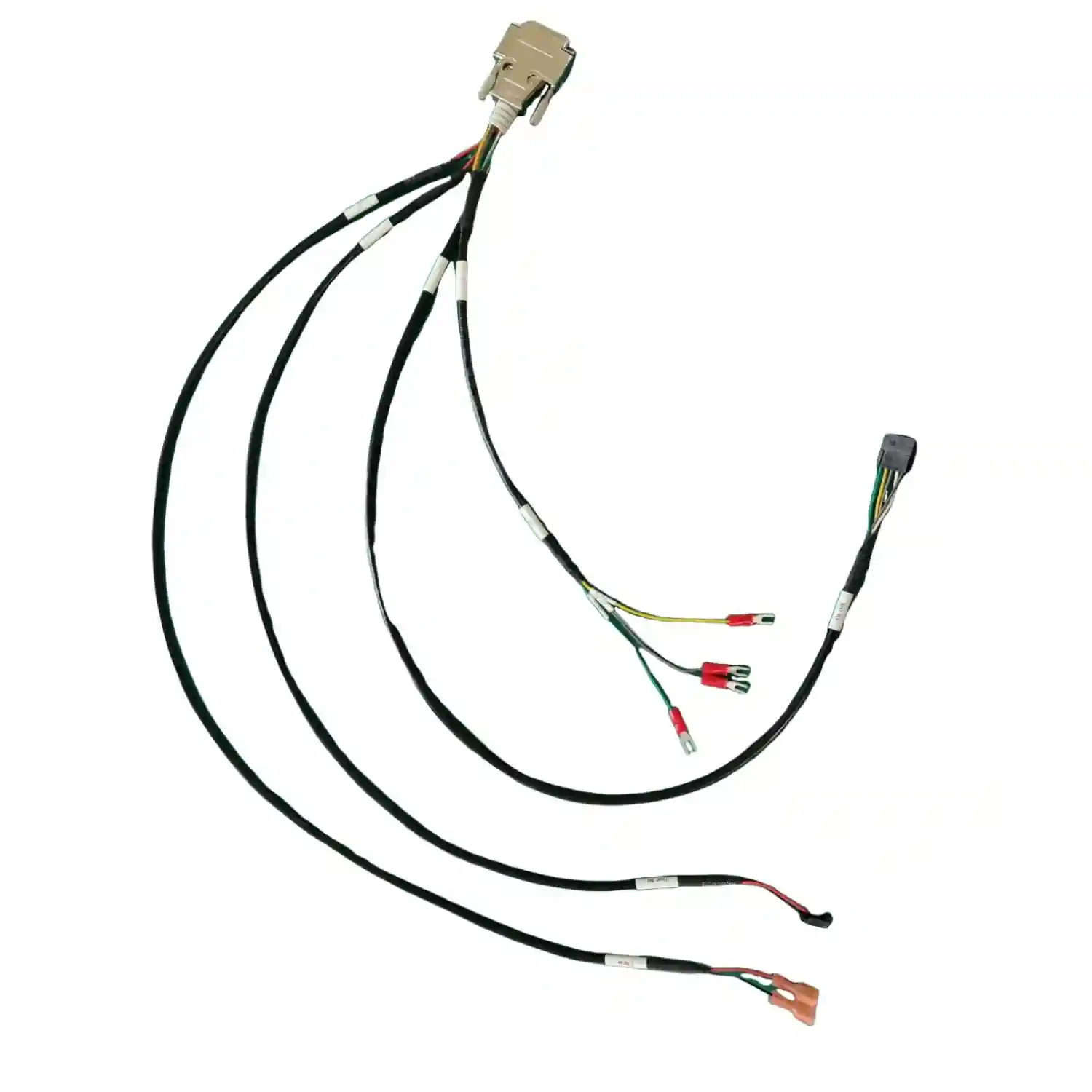
Why Buyers Use Us for Medical Connector Programs
We focus on connector-family decisions in the context of the finished medical cable assembly, not as a disconnected sourcing exercise
We Frame the Connector Decision Around Device Risk
The right medical connector is defined by cleaning, handling, cable routing, shielding, and service expectations. We review those conditions up front so sourcing decisions are based on the real device environment.
We Connect Component Sourcing With Assembly Reality
A connector that looks acceptable on a distributor page can still fail when mated to the wrong cable, boot, overmold, or shield strategy. We review the full interconnect package before release.
We Support Purchasing and Engineering Together
Medical interconnect RFQs are often split across sourcing, NPI, and quality teams. We help align connector choice, alternate control, documentation, and test scope so approvals do not stall across departments.
We Keep Validation Practical
Not every medical device needs the same record set. We align test and documentation scope to the actual program so buyers get the coverage they need without unnecessary process burden.
We Handle Adjacent Overmold, Coax, and Shielded Builds
Medical connector programs often involve more than a straight lead wire. We support miniature, shielded, overmolded, and mixed-construction assemblies within one controlled manufacturing flow.
We Preserve Prototype Decisions Into Production
Using one partner for sample, pilot, and recurring releases reduces requalification work and keeps validated connector assumptions from being lost between project phases.
Relevant Public References
These public references help buyers align quality-system, safety, and connector terminology while comparing medical interconnect options.
ISO 13485
Background on the medical-device quality-management framework commonly referenced in supplier qualification and documentation reviews.
IEC 60601
Baseline reference for medical electrical equipment safety requirements that often influence connector, insulation, and leakage-current discussions.
Electrical Connector
General connector terminology reference useful when teams compare contact systems, retention, and interconnect formats across suppliers.
Need to Compare Medical Connector Manufacturers With Assembly Risk in View?
Send your connector references, cable requirements, cleaning profile, and validation scope. We will review the assembly condition and reply with pricing, lead time, and practical risk notes before you lock the next sourcing step.
Send This With Your Medical Connector RFQ
Drawing, connector family or approved parts list, cable spec, and pinout or signal map
Cleaning method, sterilization exposure, mating cycles, and any service-life requirement
Quantity, sample timing, validation needs, and packaging or labeling rules
What You Get Back
Feedback on connector-family fit, sourcing risk, and open technical gaps
Quoted sample and production lead time with tooling or MOQ visibility
Recommended test scope, documentation package, and next-step plan
Buyer Questions Before Approving Medical Connector Sources
The points that usually affect validation scope, supplier comparison, and recurring production stability.
How do I compare medical connector manufacturers beyond catalog options?
Compare how the connector family fits cleaning exposure, sterilization, mating cycles, cable OD, shielding, strain relief, and documentation expectations. The best choice is the one that works inside the complete medical cable assembly, not just the one with the broadest catalog.
What should I send for an accurate medical connector and cable quote?
Send the drawing, connector references or approved alternatives, cable specification, pinout, quantity, cleaning profile, sterilization expectations, and any validation or labeling requirements. That lets us review the real application instead of guessing from a generic medical-device description.
Can one partner support connector sourcing, cable assembly, and recurring production?
Yes. That is often the safer path because the approved connector family, assembly method, test scope, and packaging rules stay inside one controlled workflow from samples through production releases.