Højvolumenproduktion af ledningsnetmed tydelig RFQ og værktøj
When a Tier-1 OEM or distributor is comparing three suppliers, the quote can fail before the first crimp if mold fees, 3D files, MOQ, weekly releases, and test evidence are not separated. In one case-bank RFQ, a US distributor brought a "60,000+ unit inquiry volume" with a "custom mold required" and a "3D file dependency for tooling quote"; our first response separated unit price from tooling exposure so procurement could keep the program moving. Højvolumenproduktion af ledningsnet is written for local OEM procurement and supplier-quality teams: keep IPC-A-620, UL-758, IATF 16949, MOQ, BOM, RFQ, 3D files, sample lead time, production lead time, and test reports visible before price approval.
Kort fortalt
- Use this service when annual or project volume is large enough for fixtures, molds, or scheduled releases.
- Send drawings, BOM, 3D files, forecast, MOQ target, and test scope before asking for final pricing.
- We quote unit cost, tooling assumptions, sample lead time, production lead time, and report package separately.
- IPC-A-620, UL-758, and IATF 16949-style controls are mapped to the buyer’s market risk.
RFQ Controls for Volume Harness Programs
The goal is not a low first number; it is a quote your purchasing, engineering, and supplier-quality teams can release.
Tooling and mold cost separation
A high-volume wire harness is a recurring build, not a one-time sample. We separate harness unit price, fixture cost, custom mold investment, and 3D file dependencies so finance can compare suppliers without hidden NRE.
Production-release engineering review
We review drawings, BOM revision, connector kits, wire gauge, branch length, labels, sealing, fixtures, and test method before quote lock. That keeps IPC-A-620 workmanship from becoming a vague note at final inspection.
MOQ, lead-time, and buffer-stock model
Volume programs fail when sample timing and recurring delivery are blended. We state MOQ, sample lead time, production lead time, weekly release feasibility, and buffer stock options before PO.
Evidence package for OEM qualification
Supplier quality teams need proof. We align continuity, polarity, hipot/IR when specified, crimp or pull-test records, UL-758 material review, and IATF 16949-style change control with the application.
Where This Service Fits
Best for buyers moving beyond prototype pricing into repeatable harness releases, tooling decisions, and supplier qualification.
Electronics distributors
Distributor-managed custom harness programs where tooling cost, MOQ, and recurring delivery must be explained before customer approval.
Marine and outdoor OEMs
Multi-part-number harness families that require weekly delivery, tariff planning, sealed connectors, and buffer-stock strategy.
Industrial automation equipment
Control, sensor, power, and machine harnesses where fixture planning and BOM discipline protect scheduled production.
Commercial EV and specialty vehicles
Harness programs where connector substitution, current rating, labeling, and revision control can stop the assembly line.
Appliance and equipment platforms
Repeat builds that need stable UL-758 material review, packaging control, and production release evidence.
Supplier transfer projects
Programs moving from an incumbent supplier to a controlled factory with first article, tooling, and production ramp planning.
Capability Table for Buyer Review
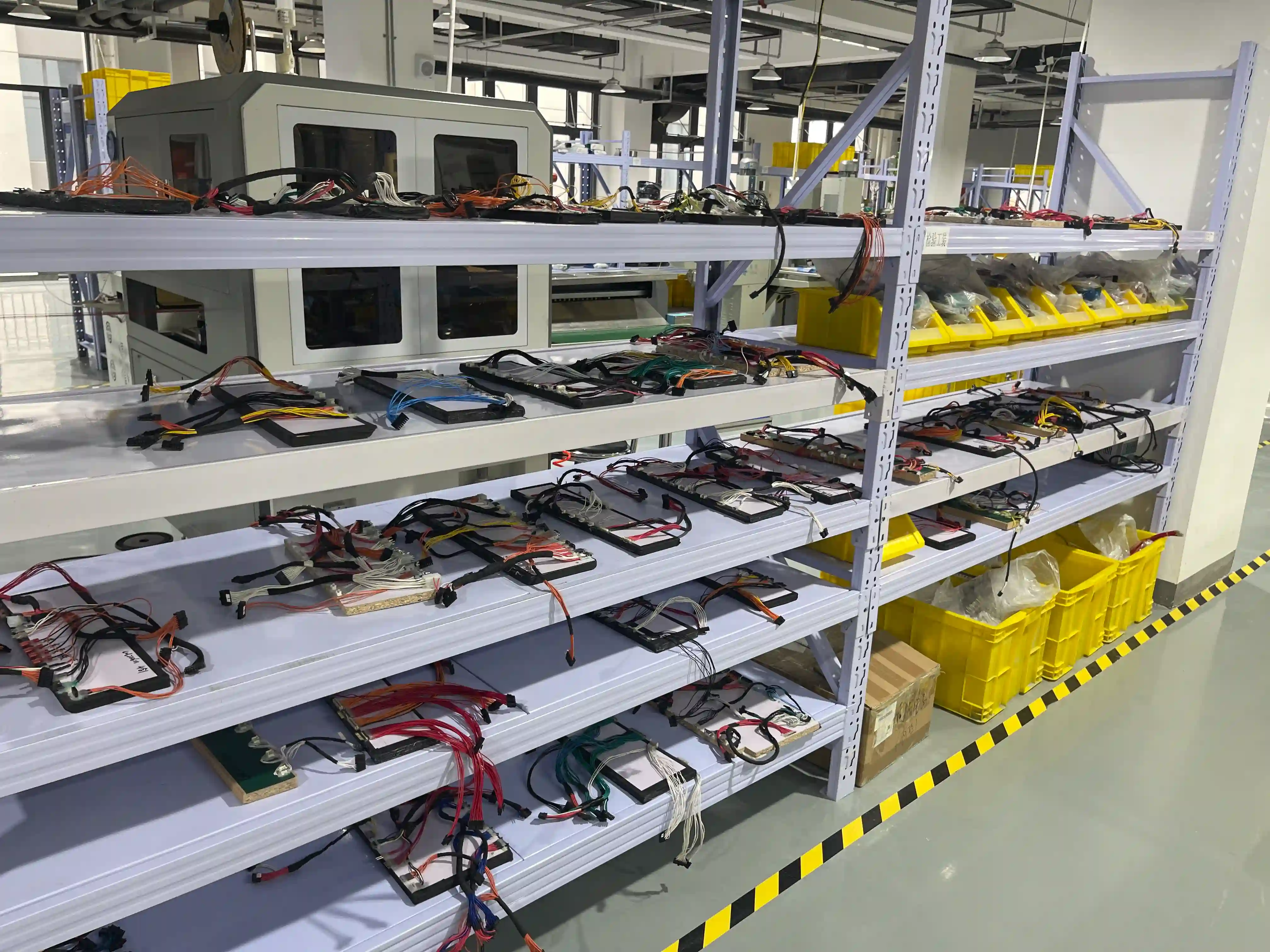
How We Reduce Procurement Risk
A senior factory engineer reviews the RFQ package before the commercial quote is treated as final.
Real tooling scenario
The hero case used "60,000+ unit inquiry volume", "custom mold required", and "3D file dependency for tooling quote". Those numbers changed how the quote was structured, because tooling could not be buried inside a unit-price promise.
Factory-side response rhythm
In the marine RFQ case, the buyer issued "6 separate RFQs" and a "64-email technical thread". We maintained a "1-2 day response time" and shaped a buffer-stock plan for the "weekly delivery requirement".
No unauthorized substitution
If connector or wire availability changes, alternates are escalated for approval. The shop floor does not solve sourcing pressure by changing the released BOM.
Quote that engineering can sign
The response includes open questions, sample lead time, production lead time, MOQ assumptions, tooling exposure, and the test report plan so purchasing can defend the supplier decision.
An anonymized case-bank example showing how volume harness RFQs are handled before production release.
Industry
marine / electronics-distribution
Region
US
Year
2025-Q3 → 2026-Q1
Scenario
A US electronic components distributor requested a high-volume custom harness quote while a US marine OEM ran a multi-month qualification process for custom harnesses and audio systems.
Challenge
The distributor RFQ required a clear split between unit price and tooling investment; the marine OEM needed strict weekly delivery, tariff mitigation, and cost competitiveness while reviewing multiple part numbers.
Solution
Issued an estimated unit price excluding mold fees, requested 3D files for tooling, maintained 1-2 day RFQ response rhythm, and proposed buffer stock plus alternative material options for scheduled releases.
Result
The distributor program stayed active through a 2-month communication cycle. The marine OEM qualification secured the tooling order and moved into prototyping for mass production.
Concrete Numbers
Anonymized from a real project. Specific buyer identifiers withheld; numbers quoted verbatim from project records.
Standards Used in Volume Release Review
For high-volume wire harness manufacturing, we map workmanship, material, and change-control expectations to IPC-A-620, UL-758, and IATF 16949 where the buyer’s application requires them.
IPC-A-620 workmanship context
Public background on IPC standards used for cable and wire harness workmanship expectations.
UL-758 material context
Public background on UL safety organization context for wire, cable, and appliance wiring material review.
IATF 16949 quality-system context
Public background for automotive supplier-quality systems and change-control expectations.
Send a Volume Harness RFQ Package
Upload drawings, BOM, 3D files, forecast volume, MOQ target, sample date, delivery cadence, and required test reports. We will return a manufacturability review, tooling-risk notes, lead-time plan, and quote structure your procurement team can compare.
Send This With Your RFQ
2D drawing, BOM, wire list, and current revision
3D files for any custom mold, fixture, overmold, or strain-relief geometry
Prototype quantity, annual forecast, MOQ target, release cadence, and delivery location
Electrical test, hipot/IR, labeling, packaging, certification, and report expectations
What You Get Back
Manufacturability review with missing-input questions
Separated unit price, tooling assumptions, and MOQ view
Sample lead time, production lead time, and weekly-release feasibility
Recommended IPC-A-620, UL-758, and IATF 16949-style evidence package
RFQ Questions Buyers Ask
Answers for tooling, samples, production ramp, and supplier-quality evidence before a purchase order.
Can you quote before we send 3D files?
We can issue a preliminary unit-price range, but tooling cost for custom molds or fixtures stays conditional until the 3D files and geometry are reviewed.
What MOQ should we expect for volume harnesses?
MOQ depends on connector supply, wire reels, tooling, packaging, and release cadence. Prototype lots can be low; production MOQ is quoted against the forecast and material risk.
What reports can ship with first articles?
Typical first-article support includes continuity or pinout test, visual inspection, crimp or pull-test record where required, material notes, and certificate of conformance.